
Anserine and Carnosine for Athletes: What the Research Shows
Anserine and carnosine are small dipeptides found in muscle, and the human research on taking them before exercise is promising for short, all-out efforts such as sprints and maximal contractions, but has not shown a benefit for marathons or ultras. The doses that worked in those trials were large, around 20 to 30 mg of each per kg of body weight, taken about an hour before exercise.
If you’ve grown up in Malaysia you’ve probably already had some. Anserine has been described as the active ingredient of chicken essence (Alkhatib et al., 2020), the little bottles that appear before exams and after hospital stays. It’s also found in fish. This guide explains what these compounds are, what the trials actually tested, and where they do and don’t fit an endurance athlete’s plan.
What are anserine and carnosine?
Both are dipeptides, two amino acids joined together, and both are built on beta-alanine. Carnosine is beta-alanine plus histidine. Anserine is beta-alanine plus a methylated histidine, which is why it’s sometimes written as beta-alanyl-3-methylhistidine. Scientists group them as histidine-containing or imidazole dipeptides.
Your muscles make carnosine themselves, mostly in fast-twitch fibres, where it helps buffer the acid that builds during hard efforts. Anserine is a close relative found in poultry and fish. In a 2025 review of histidine-containing compounds and exercise, carnosine is described as contributing to muscle buffering capacity in fast-contracting fibres, while anserine and related compounds are newer and less studied in humans (Jędrejko et al., 2025).
Where do they come from in food?
Meat and fish. Anserine comes mainly from poultry and fish; tuna loins, for example, carry measurable amounts (Quaresma et al., 2026). It shows up in the blood after fish meals clearly enough that researchers use plasma anserine as one marker of how much fish people eat (Shahin et al., 2025).
That makes it ordinary food chemistry for most of us. Ikan tongkol curry, tuna sandwiches and chicken rice all contribute. Plant foods aren’t a meaningful source, so vegetarians get very little.
Why doesn’t eating carnosine simply raise muscle carnosine?
Because the blood breaks it down fast: an enzyme in human plasma called serum carnosinase degrades carnosine readily. Anserine is more resistant to it, and Belgian researchers found that taking the two together slowed the breakdown further, because they compete for the same enzyme. Taking both together raised plasma anserine about 2.5 times more than anserine alone (Blancquaert et al., 2021).
The well-established way to raise carnosine inside muscle is different: take beta-alanine, its building block, every day for weeks. The International Society of Sports Nutrition’s position stand says 4 to 6 g a day for at least two to four weeks raises muscle carnosine and improves performance mainly in efforts lasting one to four minutes. Its main side effect is tingling skin, and its effect on endurance beyond about 25 minutes still needs more research (Trexler et al., 2015).
What do the anserine and carnosine trials show?
The clearest human results come from one Belgian research group, and they are all about short, maximal work.
| Study | What they took | What they tested | Result |
|---|---|---|---|
| Blancquaert et al., 2021 | 20 mg/kg each of anserine and carnosine before exercise | Wingate sprints on a bike, after 6 minutes of hard cycling, or repeated | About 6% more power in the first 5 seconds of a Wingate; about 3% more peak power across three Wingates |
| de Jager et al., 2022 | 10, 20 or 30 mg/kg each | Repeated 6-second cycling sprints and maximal leg contractions | 30 mg/kg taken 60 minutes before gave about 3% more sprint peak power and 4.5% more torque; a second study found no group effect |
| Alkhatib et al., 2020 | 15 or 30 mg/kg anserine | Blood markers after an exercise test to exhaustion | Antioxidant enzyme activity rose; some muscle-damage markers also rose slightly. Performance wasn’t the outcome |
| Hayashi et al., 2023 | 1,500 mg a day of carnosine and anserine for about a month | Iron regulation after an 80-minute run | No difference from placebo |
The de Jager work adds an interesting twist: people with lower carnosinase activity, who break the dipeptides down more slowly, tended to gain more. The researchers could not pin down how the effect works, and say so (de Jager et al., 2022). The month-long study at 1.5 g a day found no change in the iron and inflammation markers it measured after endurance running (Hayashi et al., 2023).
The review that pulled this literature together reached a careful verdict: anserine may help quick, repetitive efforts, but the diversity and limits of the studies don’t yet confirm an ergogenic effect (Jędrejko et al., 2025).
So does any of this matter for a marathon or an ultra?
Not on the current evidence. Every positive performance result above came from efforts lasting seconds. No trial we found tested acute anserine and carnosine in a marathon, a trail ultra or a long ride. The beta-alanine evidence also centres on one to four minutes.
There are moments in endurance racing that look like short sprints: the surge on the Penang Bridge to drop someone, a steep pitch on the Gunung Nuang trail, the last 400 m into a stadium. But a 50 km race isn’t won there, and the doses in the trials are large. For a 70 kg runner, 30 mg per kg of each dipeptide is roughly 2.1 g of anserine and 2.1 g of carnosine, taken an hour before.
Our honest reading: if you race short, hard events and want to experiment, the research gives you a dose and a timing to test. If you race long, your carbohydrate, fluid and sodium plans will matter far more. Start with our ultra marathon nutrition guide.
Where does Katsuo Stamina fit?
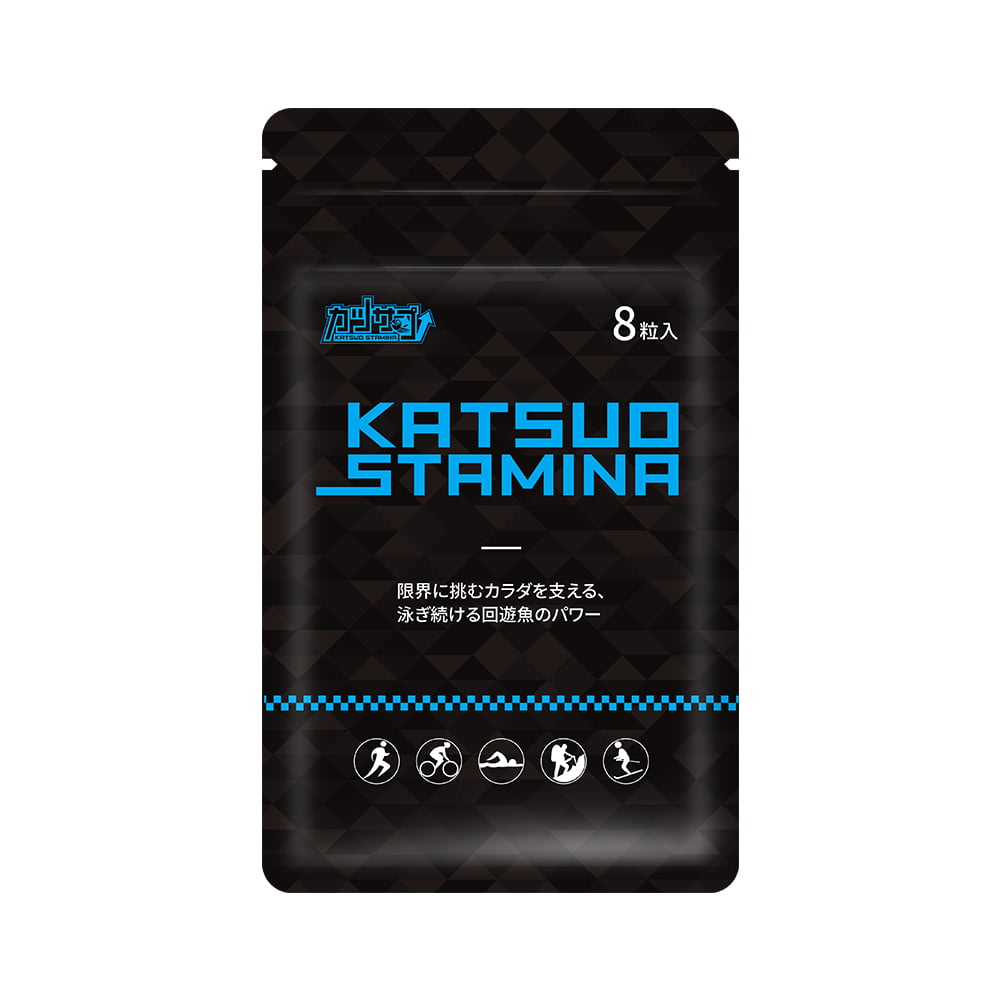
We should be clear about our own product here, since it’s the reason we follow this research. Katsuo Stamina is made in Japan from a bonito fish extract built around peptides of beta-alanine and methylhistidine, the same building blocks as anserine. We don’t publish a per-tablet anserine or carnosine figure, so you can’t compare it with the doses in the studies above, and nothing in this article is a claim about what the tablets do. It contains bonito fish and isn’t suitable for anyone with a fish allergy. You can read our full label breakdown and how it differs from BCAAs.
What’s still unknown?
Quite a lot. Whether repeated doses across a long event change anything. Whether the people who break the dipeptides down slowly can be identified in advance. Whether anserine on its own, at doses closer to what food or fish extracts provide, does anything measurable in trained athletes. And almost all the human data comes from small groups of men tested in labs, not from runners in 30°C and 85% humidity.
We’ll update this page when better studies arrive. Until then, treat anserine and carnosine as interesting, food-derived compounds with early evidence for sprints, and plan your long races around the things with strong evidence: fuel, fluid, pacing and sleep. If protein is your next question, read Protein During Ultramarathons: Do You Actually Need It?
References
- Alkhatib A, Feng WH, Huang YJ, et al. (2020). Anserine reverses exercise-induced oxidative stress and preserves cellular homeostasis in healthy men. Nutrients, 12(4), 1146. doi:10.3390/nu12041146
- Jędrejko K, Kała K, Muszyńska B, et al. (2025). Anserine, balenine, and ergothioneine: impact of histidine-containing compounds on exercise performance. A narrative review. Nutrients, 17(5), 828. doi:10.3390/nu17050828
- Quaresma MAG, Rezende BV, Silva-Almeida J, et al. (2026). Amino acid and bioactive signatures of yellowfin tuna loins: ocean-specific patterns across major fishing grounds. Frontiers in Nutrition, 13, 1796270. doi:10.3389/fnut.2026.1796270
- Shahin A, Ross AB, Turner RM, Mann JI, Reynolds AN (2025). Assessing a panel of biomarkers in plasma reflecting dietary intakes: data from a large randomized controlled trial. Molecular Nutrition & Food Research, 70(1), e70334. doi:10.1002/mnfr.70334
- Blancquaert L, Everaert I, Baguet A, et al. (2021). Acute preexercise supplementation of combined carnosine and anserine enhances initial maximal power of Wingate tests in humans. Journal of Applied Physiology, 130(6), 1868-1878. doi:10.1152/japplphysiol.00602.2020
- Trexler ET, Smith-Ryan AE, Stout JR, et al. (2015). International Society of Sports Nutrition position stand: beta-alanine. Journal of the International Society of Sports Nutrition, 12, 30. doi:10.1186/s12970-015-0090-y
- de Jager S, Blancquaert L, Van der Stede T, et al. (2022). The ergogenic effect of acute carnosine and anserine supplementation: dosing, timing, and underlying mechanism. Journal of the International Society of Sports Nutrition, 19(1), 70-91. doi:10.1080/15502783.2022.2053300
- Hayashi N, et al. (2023). Effect of long-term carnosine/anserine supplementation on iron regulation after a prolonged running session. Physical Activity and Nutrition, 27(2), 70-77. doi:10.20463/pan.2023.0020
{“@context”: “https://schema.org”, “@type”: “Article”, “headline”: “Anserine and Carnosine for Athletes: What the Research Shows”, “description”: “What anserine and carnosine are, where they come from, and what human trials show for athletes: promising for short sprints, unproven for marathons and ultras.”, “image”: “https://staminasports.my/wp-content/uploads/2026/09/mmexport1687843481887.jpg”, “datePublished”: “2026-10-15T07:10:00+08:00”, “dateModified”: “2026-10-15T07:10:00+08:00”, “author”: {“@type”: “Organization”, “name”: “Stamina Sports Malaysia”, “url”: “https://staminasports.my/”}, “publisher”: {“@type”: “Organization”, “name”: “Stamina Sports Malaysia”, “url”: “https://staminasports.my/”}, “mainEntityOfPage”: {“@type”: “WebPage”, “@id”: “https://staminasports.my/anserine-carnosine-athletes/”}}


